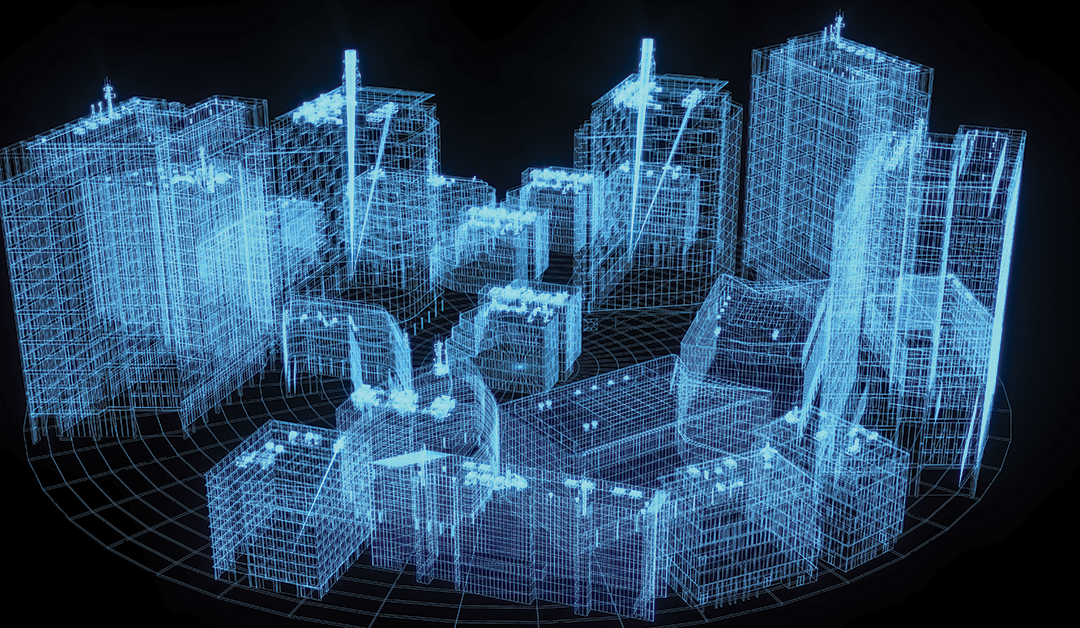
A digital twin is a virtual replica of a physical object, process, or system. It is a computerized model that mimics the real-world entity and enables simulations, analyses, and optimization of its behavior and performance.
Digital twins are created by collecting data from sensors, cameras, and other sources and processing it using machine learning and artificial intelligence algorithms. The resulting model provides a rich and dynamic representation of the physical entity, allowing engineers, designers, and operators to test different scenarios, predict outcomes, and make data-driven decisions.
Digital twins can be applied to a wide range of industries, from manufacturing and construction to healthcare and energy. For example, a digital twin of a manufacturing plant can help optimize production schedules, reduce downtime, and improve quality control. Similarly, a digital twin of a building can monitor energy usage, detect faults, and improve occupant comfort and safety.
The benefits of digital twins are numerous. They can reduce costs, increase efficiency, improve safety, and accelerate innovation. They enable predictive maintenance, real-time monitoring, and remote control, allowing for proactive decision-making and rapid response to changes.
In summary, digital twins are a powerful tool that enables organizations to gain insights and optimize the performance of their physical assets and processes. They are a key component of the emerging digital transformation trend, and their adoption is expected to increase rapidly in the coming years.