FASTER, SAFER, BETTER DATA
CARBON FIBER CURE MONITORING
IDENTIFYING POTENTIAL CATASTROPHIC ISSUES WHILE CURING AND BEYOND
protection starting within the manufacturing process
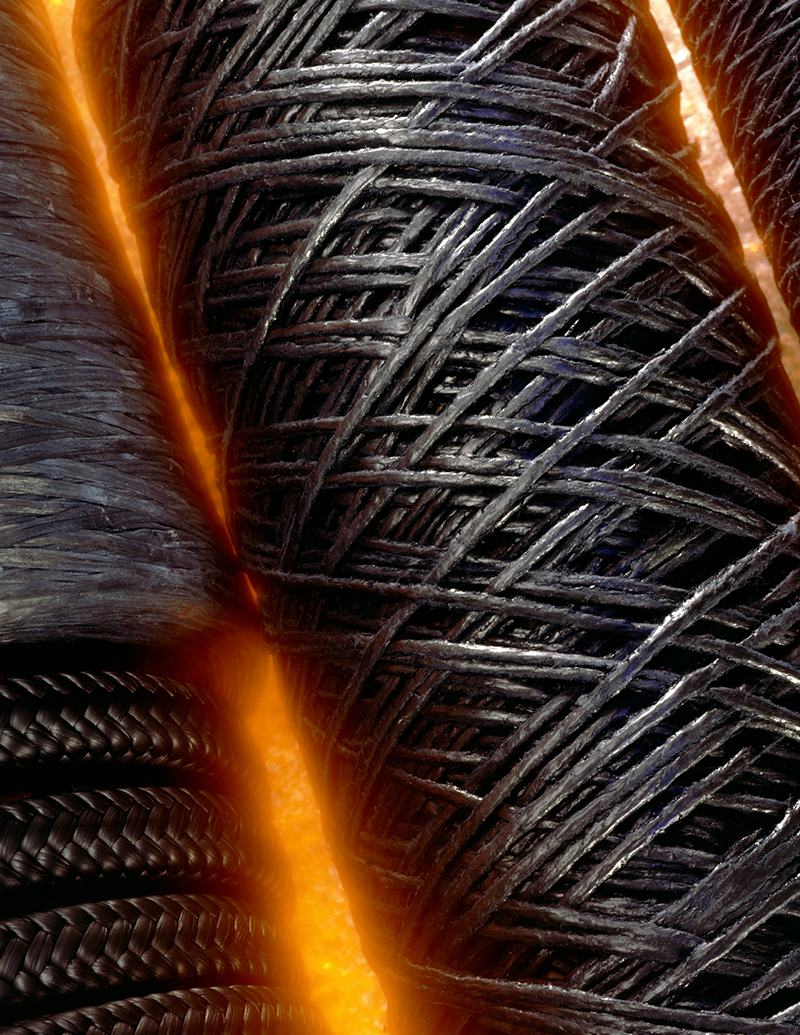
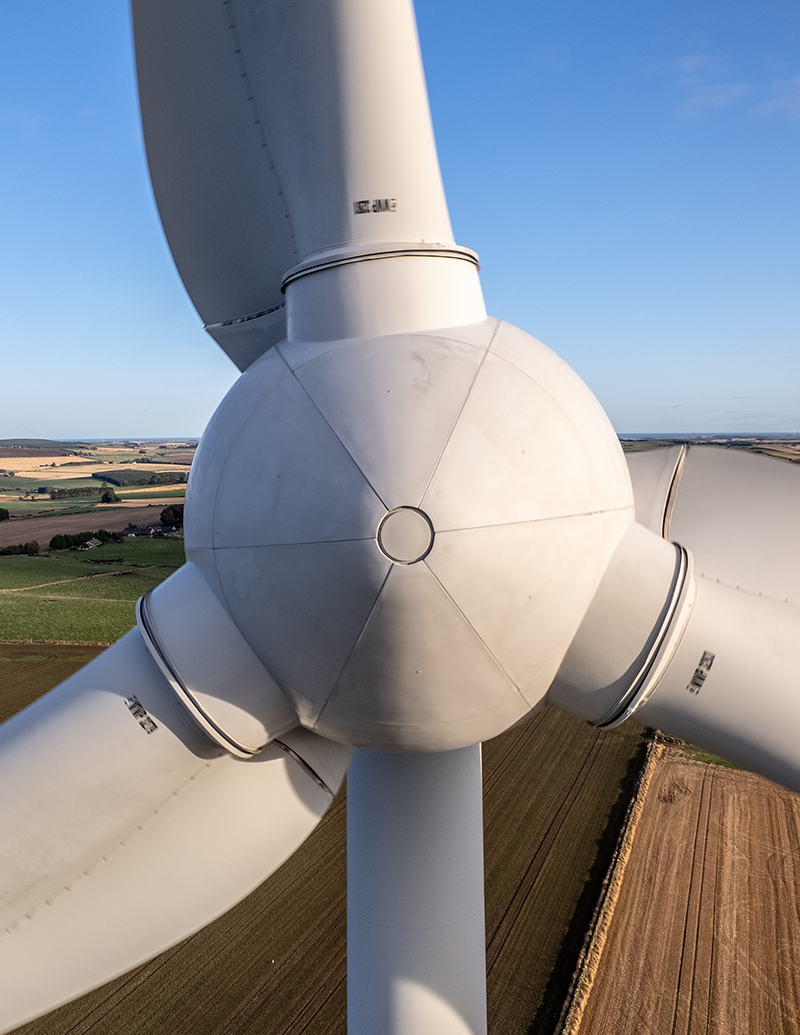
In the last three decades, using fiber reinforced polymer (FRP) composites has increased in numerous sectors such as civil, automotive, and aerospace. Glass fibres are particularly used for reinforcements to aircraft, wind turbine blades, boats, vehicle panels and bicycles because of their high strength and low density combined with reasonable costs. However, defects can be introduced into the structures when manufacturing which can progress to damage during the service life.
Collecting knowledge about the precise values of the residual stresses generated in the manufacturing of the composite material can positively influence the quality of the process and the final strength of the product.
Using our solutions in carbon curing can optimize the process, ensure high-quality material production, and achieve more sustainable and environmentally friendly outcomes.

How it works
We offer the ability to monitor critical metrics from production to service and beyond, with real-time monitoring of components, utilizing BOTDA sensors.
It is crucial to monitor the composite materials’ manufacturing process to identify flaws such as dry regions, delamination, fibre waviness, foreign bodies, voids, and incomplete matrix cure.
Residual stresses and strains are induced during heating and cooling of the fibres and matrix, potentially affecting the composite product’s mechanical properties. Variation in the two constituents’ thermal expansion coefficients leads to the matrix compressing the fibres, resulting in residual stresses and strains.
The ability to monitor the resin flow during infusion and viscosity during curing serves as a potential method for conducting quality control.
We are able to monitor carbon fiber while in the autoclave to ensure a good “bake” – referring to void detection, adherence, critical temperature monitoring while curing.
Benefits
- Real-time monitoring
- Precise temperature measurement
- Strain detection and control
- Process optimization
- Reduce costs
- Increase efficiency
- Quality assurance
- Data analysis for more informed decisions
ARTICLES