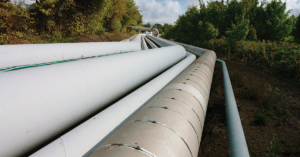
FASTER, SAFER, BETTER DATA
WILDLIFE SURVEYS
minimize impacts on wildlife and their habitats and ensure responsible development and operation of industrial projects
PROTECTING RESOURCES
Wildlife and habitat surveys play a crucial role in monitoring and managing country’s diverse ecosystems and conserving its native wildlife species.
Regulations pertaining to wildlife surveys for gas and oil, mining, and critical infrastructure projects can vary depending on the specific jurisdiction and project location.
Our experienced wildlife specialists are able to provide clients with comprehensive wildlife assessment, planning,
monitoring, and consulting services. With extensive experience communicating and negotiating with regulatory resource agencies, we can make sure your development projects stay on track.


Services
Our team are committed to our clients throughout the entire project and provide a variety of consultation services related to the environmental review process. Our services include:
- Providing clients with a list of anticipated species surveys.
- Negotiating agency environmental review responses with the client and respective agencies.
- Developing a survey plan based on seasonal survey restrictions and agency protocols.
- Conducting fieldwork, GIS mapping, and compiling comprehensive reports acceptable to the agencies.
- Follow-up with agencies after report submission to ensure a timely response for project clearance letters.
- Negotiating survey results with clients and agencies to reach a mutually agreed upon solution if the project
will affect critical habitat or resources. - Providing mitigation and restoration plans as directed by the agencies.
- Implementing mitigation and restoration plans.
- Long-term monitoring or follow-up surveys where applicable.
- Unmanned Aerial Services.
Benefits
- Expertise and Accurate Data: Wildlife specialists have in-depth knowledge of local wildlife species, their habitats, and survey methodologies. Their expertise ensures accurate data collection, species identification, and habitat assessment. By employing wildlife specialists, companies can obtain reliable and high-quality survey data, which forms the basis for informed decision-making and compliance with regulatory requirements.
- Compliance with Regulations: Wildlife surveys are often required by environmental regulations and permit conditions. Wildlife specialists are well-versed in these regulations and can ensure that surveys are conducted in accordance with legal requirements. By engaging specialists, companies can demonstrate compliance, mitigate potential legal risks, and maintain positive relationships with regulatory authorities.
- Mitigation and Conservation Planning: Wildlife specialists play a crucial role in developing effective mitigation and conservation plans. They can assess potential impacts on wildlife and their habitats, identify sensitive species or critical habitats, and recommend appropriate mitigation measures. By involving specialists in survey and planning processes, companies can proactively address wildlife-related challenges and minimize negative impacts on biodiversity.
- Cost Efficiency and Time Savings: Engaging wildlife specialists can result in cost savings and time efficiency for companies. Specialists are experienced in survey design, data collection, and analysis, allowing for streamlined and effective survey implementation. Their expertise enables efficient resource allocation, minimizing unnecessary survey efforts and optimizing project timelines.
- Stakeholder Engagement and Public Perception: Companies that engage wildlife specialists demonstrate their commitment to environmental stewardship and responsible project development. This enhances their credibility with stakeholders, including local communities, environmental organizations, and regulatory agencies. By employing specialists, companies can improve stakeholder engagement, foster positive public perception, and build trust in their conservation efforts.
- Risk Mitigation and Project Success: Wildlife surveys conducted by specialists help identify potential risks and environmental challenges early in the project lifecycle. By understanding wildlife presence, sensitive habitats, and potential impacts, companies can proactively implement measures to mitigate risks. This reduces the likelihood of project delays, conflicts, and costly remedial actions, contributing to the overall success of the project.
- Innovation and Adaptation: Wildlife specialists stay updated with advancements in survey techniques, technologies, and best practices. They bring innovative approaches to data collection, analysis, and reporting, improving the accuracy and efficiency of surveys. Their ability to adapt to changing regulatory requirements and emerging conservation concerns ensures that companies stay compliant and responsive to evolving environmental standards.
ARTICLES