FASTER, SAFER, BETTER DATA
MINE SAFETY
DETECTING LOCATION AND MOVEMENT OF PERSONNEL AND EQUIPMENT THROUGHOUT A MINING OPERATION
PROTECTING LIVES
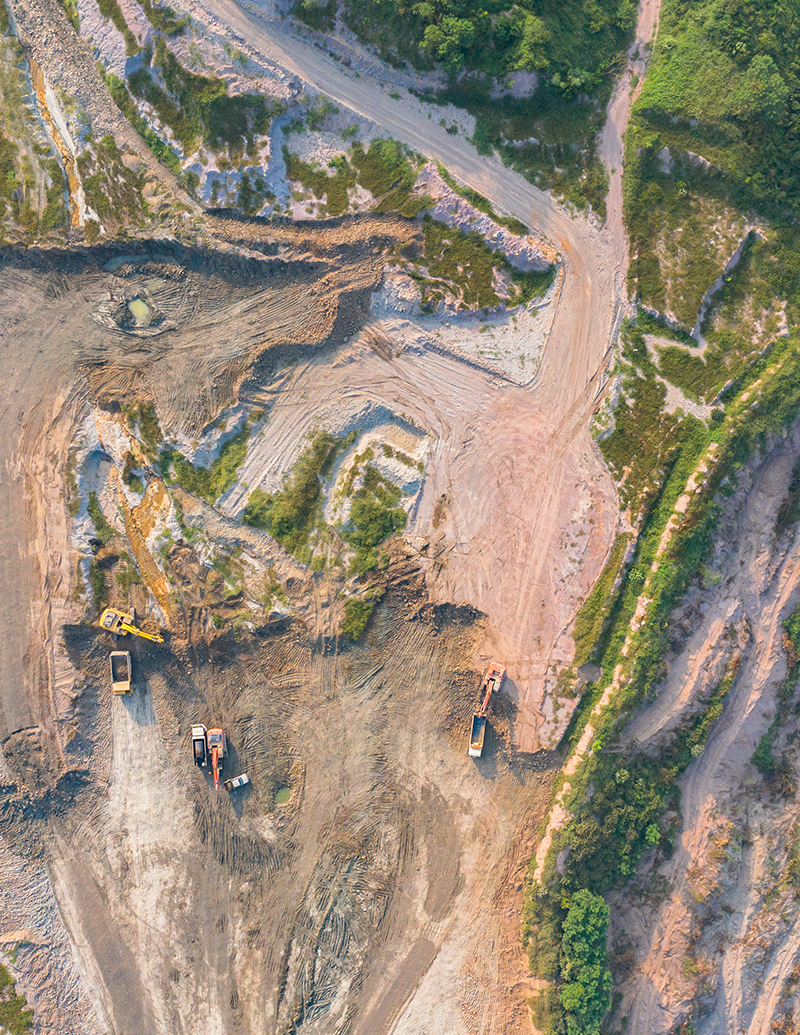
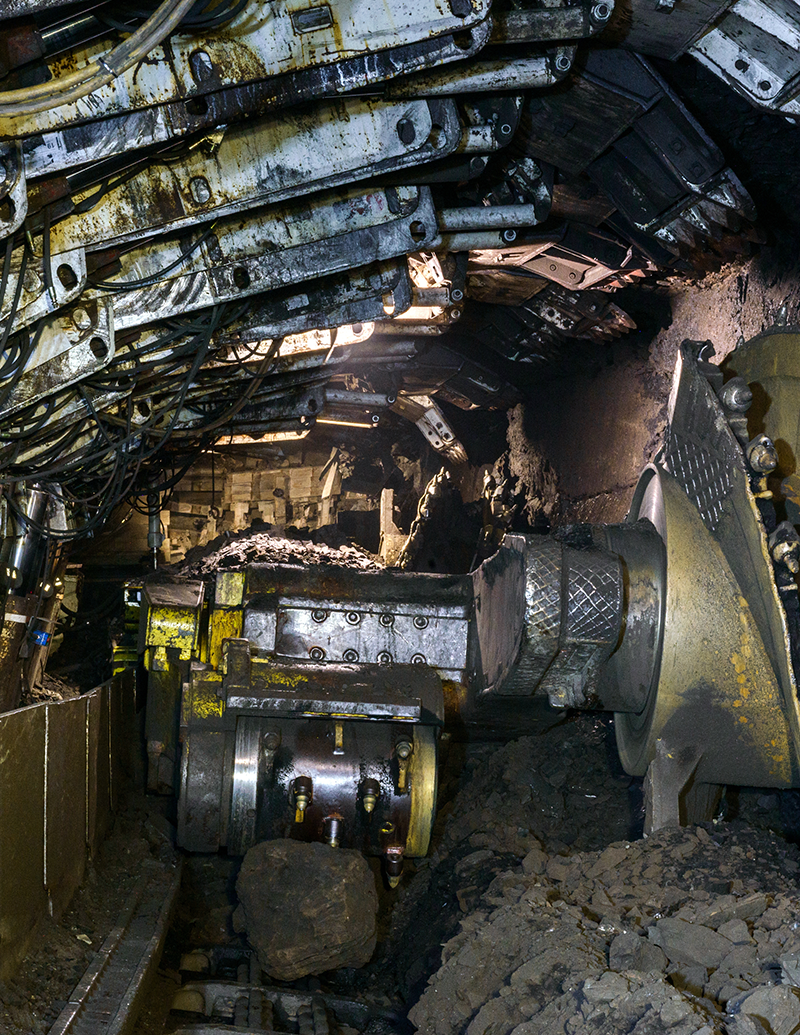
Mining extracts valuable geological materials from the earth but also has the potential to be highly hazardous.
It’s not only mine workers at risk, depending on the incident, innocent citizens, wildlife and marine life are also at risk.
We protect resources, people, animals and the environment with our systems.

How it works
Through a partnership with The Lowell Institute for Mineral Resources, DarkPulse has created a real time sensor system that can detect the location & movement of personnel and equipment throughout a mining operation.
What our system determines and displays
Operations:
- Airflow
- Air Quality
- Temperature
- Geo-Thermal Data
- Seismic Events
- Equipment Location
- Material Distribution
- Ceiling Integrity
- Volumetric Analysis
Benefits
- Enhanced Emergency Response: The real-time sensor system enables quick identification of the location of personnel and equipment in the event of an emergency, such as a cave-in, gas leak, or equipment malfunction. This information allows emergency response teams to locate and evacuate individuals efficiently, reducing response times and potentially saving lives.
- Improved Accident Prevention: By continuously monitoring the movement of personnel and equipment, the sensor system can identify potential hazards or unsafe situations in real time. For example, if a worker enters a restricted zone or if there is a collision risk between vehicles, the system can issue immediate warnings or alerts to prevent accidents from occurring.
- Proactive Risk Mitigation: The real-time sensor system can help mine operators identify and mitigate potential risks before they escalate. By analyzing movement patterns, proximity to hazardous areas, and equipment interactions, the system can identify high-risk situations and trigger proactive interventions, such as safety reminders, automated equipment shut-offs, or adjusting traffic flow to minimize risks.
- Optimal Resource Allocation: The sensor system provides mine operators with valuable insights into the utilization of personnel and equipment. By analyzing real-time data on equipment movement and worker assignments, operators can optimize resource allocation, ensuring that the right personnel and equipment are deployed to specific areas of the mine where they are needed the most. This improves operational efficiency and reduces the likelihood of overexertion or fatigue-related incidents.
- Training and Compliance Monitoring: The sensor system can assist in monitoring compliance with safety protocols and training requirements. By tracking the movement of personnel, the system can ensure that workers adhere to designated safe zones, wear necessary personal protective equipment (PPE), and follow established protocols. This information can be used to identify areas that require additional training or reinforcement of safety practices.
- Data-Driven Safety Analysis: The real-time sensor system generates a wealth of data on personnel and equipment movement, which can be analyzed to identify patterns, trends, and potential areas of improvement in mine safety. By leveraging data analytics, mine operators can gain valuable insights into safety performance, identify recurring safety issues, and implement targeted interventions to enhance overall safety standards.
- Culture of Safety: The implementation of a real-time sensor system underscores the mine operator’s commitment to safety, creating a culture of safety throughout the organization. By prioritizing real-time monitoring and intervention, the system promotes a proactive approach to safety, empowering workers to be more aware of their surroundings and take necessary precautions.
Other solutions offered by the GSD Group
- Unmanned Aerial Services
- RFID
- Voice/Data Communications
- Video
- Airflow monitoring with DarkPulse BOTDA
- Perimeter Security
CASE STUDIES