
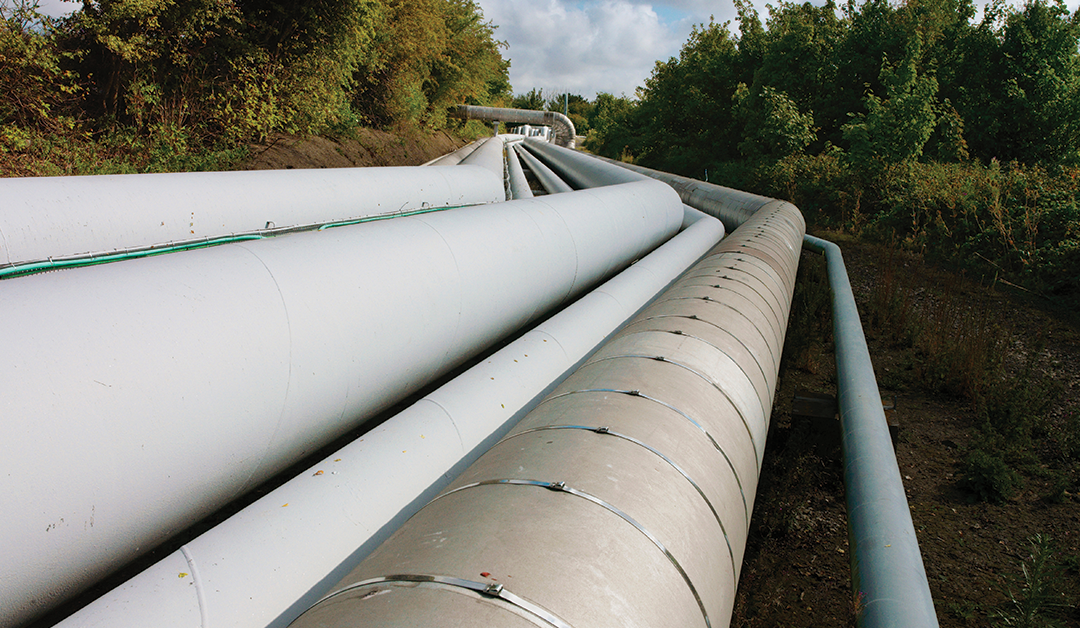
Pipelines are everywhere and have been around for over 5,000 years, underground, in rivers, lakes and the sea. Our pipelines transport essential commodities that are dangerous and costly. Every country relies on pipelines to sustain our way of life due to the infrastructure of water, oil and gas industries.
The world has 2,175, 000 miles of pipeline constructed by 120 nations with the US boasting a 65% share of total pipeline length and the longest pipeline to date, the Colonial Pipeline.
Unfortunately pipelines suffer with leaks and thefts over their lifetime. Environmental pressure and governmental policies have increased demand on pipeline operators to install a form of leak detection.
The cause of Pipeline leakage
[DONUT CHART]
The impact of leakage
The worst industrial accident in history occurred on 3rd December 1984, when over 45 tons of dangerous gas escaped from the Union Carbide plant in Bhopal, India.
In early December, most of the plant’s MIC related safety systems were malfunctioning and lots of valves and lines were in poor condition. More than 15,000 people were affected and over 600,000 workers with the ongoing effects seen for decades.
The history of pipelines
Pipeline history started in ancient times for water, hydrocarbon and oil and gas.
1970s
The minicomputer meant monitoring of pipeline was more feasible and cost-effective